Table of Contents
Dunkirk review: war, strategy, and tension
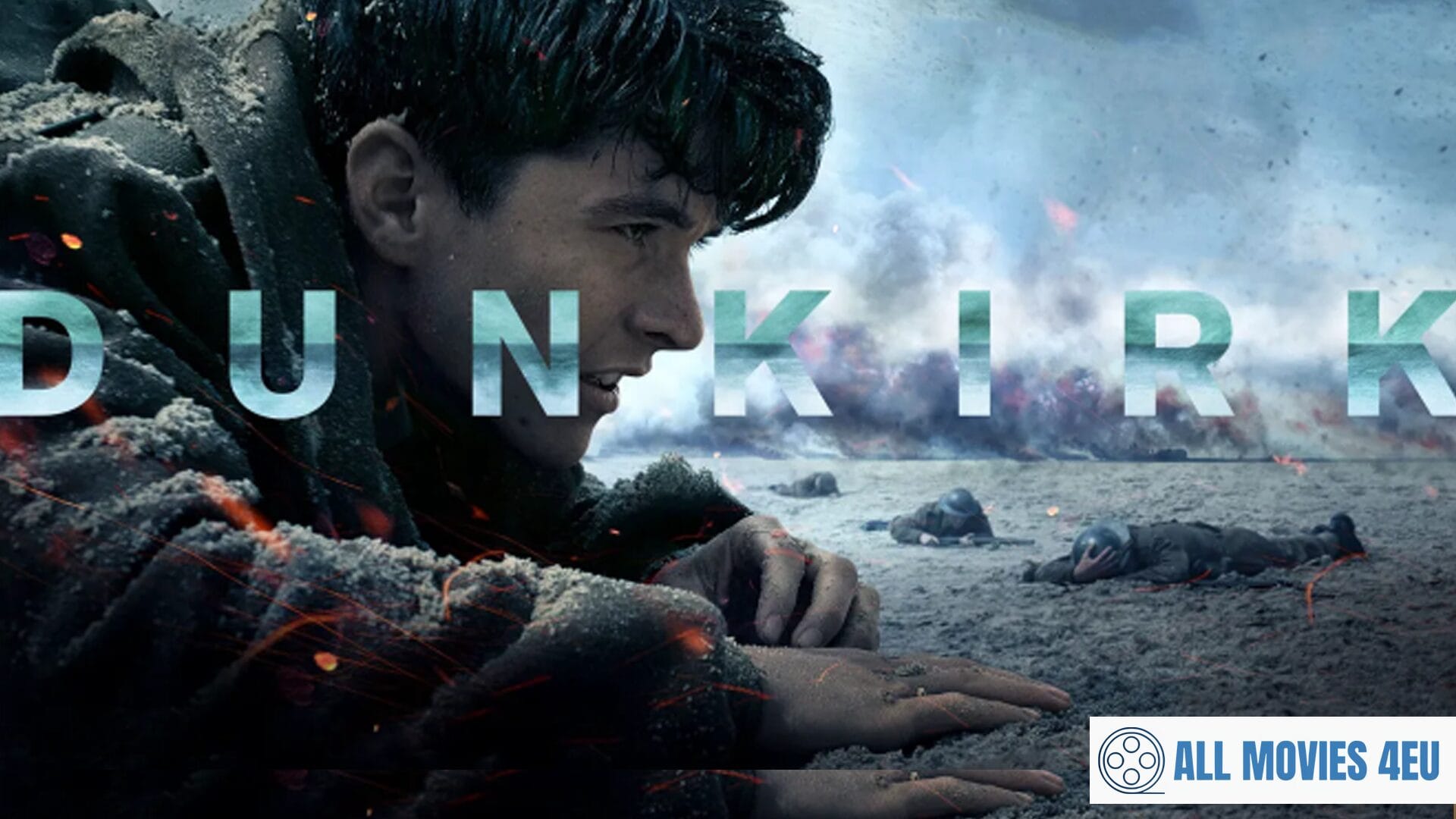
Dunkirk review: war, strategy, and tension: Dunkirk released in 2017 and directed through Christopher Nolan, Dunkirk is a cinematic masterpiece that redefines the conflict film genre via a meticulous awareness on anxiety, approach, and human persistence.
Not like conventional war movies that depend heavily on communicate or person-pushed narratives, Nolan emphasizes immersive storytelling via visual and auditory enjoy, placing visitors without delay into the chaos of one in every of global war II’s most harrowing evacuations. The film chronicles the evacuation of Allied infantrymen from the beaches of Dunkirk, France, in 1940, highlighting the strategic challenges, human courage, and relentless suspense that described the ancient operation.

Tale structure and Narrative Innovation
Dunkirk employs a unique narrative structure that intertwines 3 timelines, each representing land, sea, and air operations. The “Land” section follows younger soldier Tommy as he struggles to continue to exist on the beach and secure evacuation. The “Sea” segment portrays civilian sailors, led via Mr. Dawson, mission a deadly adventure to rescue stranded infantrymen. The “Air” timeline follows RAF pilot Farrier as he offers aerial assist and engages enemy plane. every section operates on a extraordinary temporal scale, with Nolan compressing or increasing time to construct tension and emotional effect.
This non-linear storytelling heightens suspense by way of permitting audiences to revel in events from more than one perspectives concurrently. The viewer feels the immediacy of danger, the urgency of selections, and the vulnerability of soldiers across different environments. with the aid of prioritizing visual and auditory immersion over exposition-heavy dialogue, Nolan ensures that the tale communicates through action, reaction, and cinematic rhythm.
The narrative emphasizes survival and resilience as opposed to glorified combat. Characters are defined now not with the aid of heroics but by means of their responses to overwhelming odds, making the story a reflection on human persistence under intense situations. Small gestures, cut up-second choices, and acts of selflessness deliver profound weight, reinforcing the emotional stakes and ethical measurement of wartime conduct.
Cinematography and visible Storytelling
Roger Deakins’ cinematography is crucial to Dunkirk’s impact. The movie’s visuals are meticulously composed, taking pictures both the vastness of the battlefield and the intimacy of individual struggle. extensive-angle shots of endless beaches, turbulent seas, and open skies evoke scale, isolation, and the magnitude of the evacuation effort. near-united states of americaand handheld digicam paintings bring immediacy, panic, and human vulnerability.
the usage of IMAX and 65mm movie enhances visible clarity and intensity, immersing audiences within the environment with remarkable realism. The sand, water, and sky come to be active additives of the storytelling, creating each aesthetic beauty and narrative tension. minimal colour grading continues a naturalistic tone, emphasizing realism whilst improving dramatic impact.
action and anxiety are conveyed thru precise framing and digital camera movement. Scenes of bombing, strafing, and sinking ships are choreographed to maintain clarity amidst chaos, allowing audiences to recognize spatial relationships, stakes, and outcomes. visual storytelling is complemented through practical consequences and authentic sets, avoiding over-reliance on CGI while maintaining cinematic spectacle.
lighting is used strategically to enhance mood and convey the passage of time. herbal light dominates seashore sequences, at the same time as dynamic contrasts between daylight, clouds, and smoke underscore both risk and wish. The interplay among mild and shadow reinforces tension, highlights narrative focal points, and deepens immersion inside the wartime surroundings.
Sound layout, score, and Immersive enjoy
Hans Zimmer’s score is essential to Dunkirk’s narrative tension and emotional resonance. The composer employs a ticking motif, persistent rhythms, and escalating tonal layers to create a regular experience of urgency and approaching hazard. This auditory technique mirrors the relentless stress faced through the characters, amplifying anxiety and engagement with out counting on conventional musical cues.
Sound layout contributes substantially to realism and immersion. Explosions, gunfire, crashing waves, and plane engines are layered meticulously, putting viewers in the environment. The balance between ambient sounds and score ensures that tension remains palpable while permitting moments of emotional clarity and mirrored image. Silence is hired successfully, especially in sequences emphasizing isolation, waiting, or contemplation, developing assessment and amplifying dramatic effect.
dialogue is minimal, reinforcing the film’s focus on motion, remark, and human instinct. Characters talk more often than not via gestures, expressions, and decisions, allowing audiences to interpret motivations and emotions organically. This restraint enhances the universality of the revel in, emphasizing survival and ethical alternatives over individual backstory.
Themes, strategy, and ancient importance
Dunkirk explores themes of human resilience, cooperation, and moral braveness beneath severe instances. The movie portrays the evacuation as a collective effort, emphasizing the role of everyday people—each squaddies and civilians—in accomplishing extraordinary consequences. The narrative underscores the ethical size of wartime selections, highlighting selflessness, sacrifice, and the price of human existence amidst chaos.
method and tactical execution are imperative to the story. The coordination of naval, land, and air sources illustrates the complexity of large-scale navy operations and the interdependence of different roles. Nolan’s depiction of strategy emphasizes anxiety and timing as opposed to spectacle, demonstrating that survival regularly relies upon on calculated risk, adaptability, and teamwork.
The historical importance of Dunkirk is strengthened through practical portrayal and attention to element. Uniforms, device, and automobiles mirror the era, and logistical challenges—including navigating enemy fire, rationing resources, and coordinating rescues—are depicted with accuracy. This commitment to authenticity grounds the film in historic fact whilst preserving cinematic tension and drama.
Cultural and cinematic impact has been profound. Dunkirk has influenced modern war movies by prioritizing immersive revel in, technical precision, and narrative innovation over traditional dramatization. Its achievement proven that excessive-concept storytelling may want to integrate emotional resonance, historic accuracy, and technical mastery, setting a benchmark for visible and narrative excellence in the style.
In conclusion, Dunkirk is a triumph of battle cinema, mixing strategy, tension, and human persistence into an unforgettable cinematic enjoy. thru revolutionary storytelling, meticulous cinematography, immersive sound layout, and thoughtful direction, Christopher Nolan creates a film that captures the terror, courage, and resilience of considered one of world conflict II’s defining moments. The film stands as each a historic tribute and a masterclass in filmmaking, handing over an experience that is emotionally gripping, intellectually engaging, and visually mind-blowing. Its legacy maintains to persuade filmmakers and audiences alike, proving that struggle movies can go beyond spectacle to become profound reflections on human electricity and collective dedication.
Catch this also
- Fast X Movie 2023
- The dark Knight movie review
- Oppenheimer Movie Review 2025
- Exquisite Interstellar Movie Review – All Movies 4eu
- Talvar review: investigation, truth, and Realism
- Top Gun Maverick review: action, Emotion, and Realism
- When Will Dhurandhar Stream on Netflix India? OTT Release Date & Updates January 2026
- The Martian review: Survival, science, and Human Spirit
- Inception film review
- life of Pi review: adventure, Survival, and visual beauty
- Dangal review: discipline, sports, and family Values